If you've been thinking about straightening your teeth, you've probably wondered: Should I choose Invisalign or traditional braces?
It's one of the most common questions we hear at Junction Family Dental Care, and for good reason.
Both treatments can give you that confident smile you've been dreaming of, but they work in different ways and offer unique benefits.
In this comprehensive guide, we'll dive deep into everything you need to know about Invisalign vs braces.
We'll help you understand which option might be the best fit for your lifestyle, budget, and orthodontic needs.
Before we compare these two popular orthodontic treatments, let's take a closer look at how each one works.
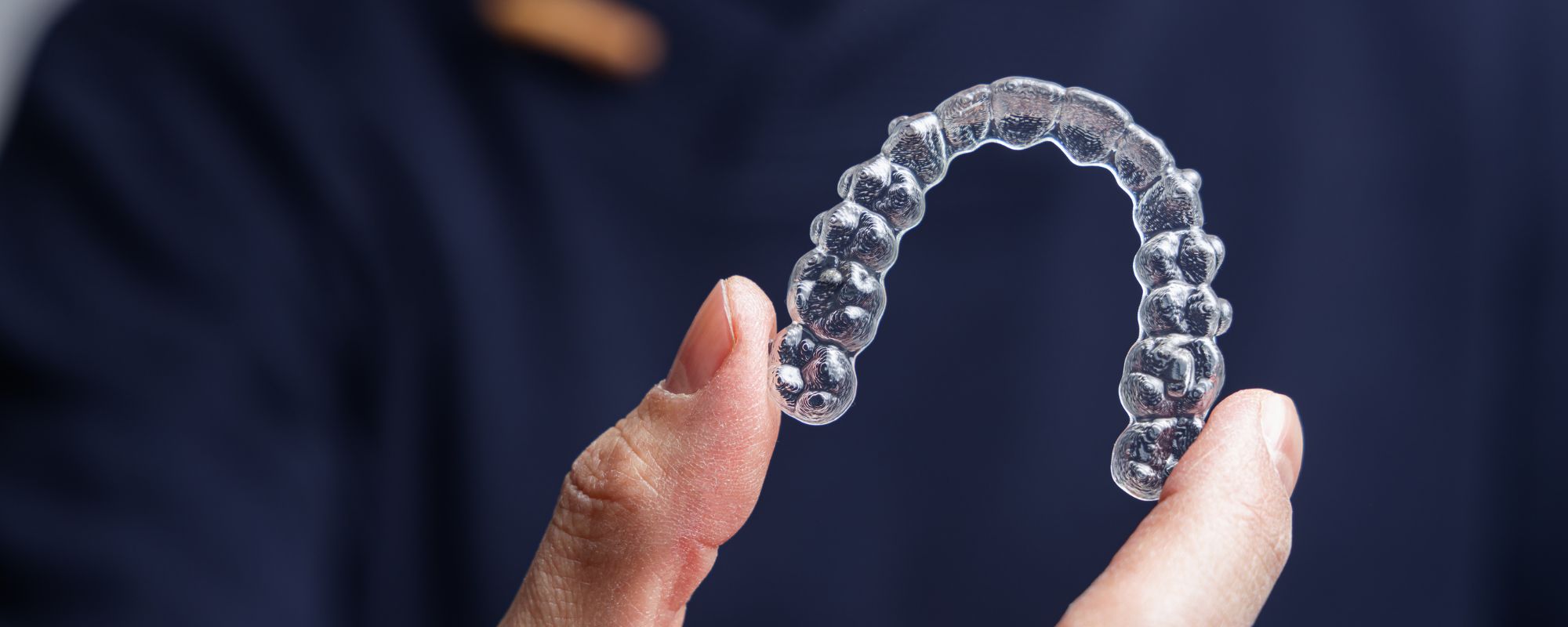
Invisalign is a modern orthodontic solution that uses a series of custom-made, clear plastic aligners to shift your teeth into their ideal position gradually.
Think of them as nearly invisible trays that fit snugly over your teeth. Each set of aligners is worn for about one to two weeks before you switch to the next set in the series.
The process starts with a 3D digital scan of your teeth. This technology allows you to see a preview of how your teeth will look after treatment—pretty cool, right?
Invisalign aligners are made from SmartTrack™ material, a proprietary plastic that's both strong and flexible.
Traditional braces are the classic orthodontic treatment that has been helping people achieve straighter smiles for decades.
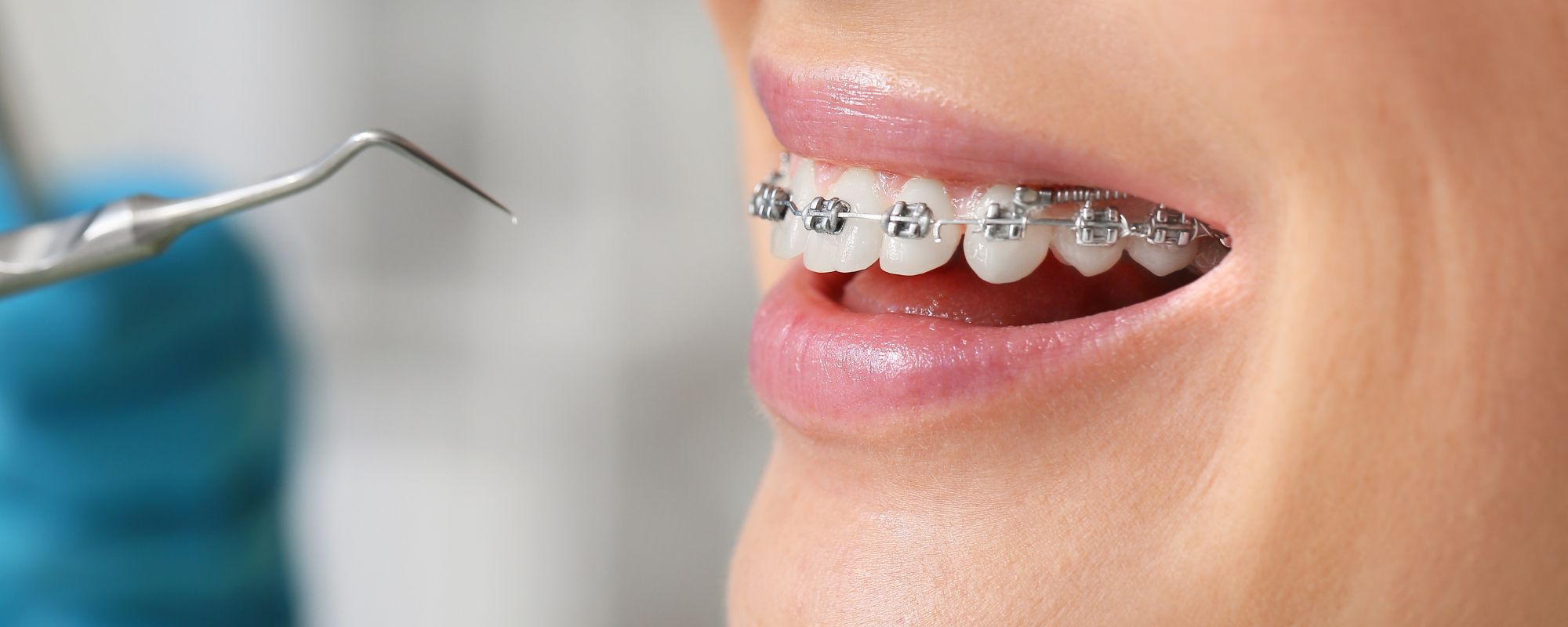
They consist of metal brackets that are bonded to the front of each tooth, connected by an archwire. The wire applies continuous, controlled pressure to gradually move your teeth into proper alignment.
During treatment, you'll visit your orthodontist regularly (usually every 4-6 weeks) for adjustments.

Now that you understand the basics, let's explore why Invisalign has become such a popular choice.
The most obvious benefit of Invisalign is right in the name, these aligners are invisible.
The clear plastic trays blend seamlessly with your teeth, making them barely noticeable in everyday situations.
This is a game-changer for adults in professional settings or anyone who wants to straighten their teeth discreetly.
Unlike braces, which are fixed to your teeth for the duration of treatment, Invisalign aligners are completely removable.
This feature offers tremendous flexibility in your daily life:
The smooth plastic aligners are custom-trimmed to fit your gum line, eliminating the sharp edges and protruding wires that can irritate your cheeks and gums with traditional braces.
While you may experience some pressure or mild discomfort when you first start wearing a new set of aligners, It's typically much less than the discomfort associated with brace adjustments.
There's no risk of brackets poking your mouth or wires needing emergency adjustments.
Invisalign typically requires fewer office visits compared to traditional braces.
Instead of needing adjustments every 4-6 weeks, you might only need to check in with your dentist every 6-8 weeks.
Many Invisalign providers also offer virtual check-ins, where you can take photos of your progress and share them with your dentist through an app.
This convenience means less time in the dental chair and more time for the activities you love.
Because you can remove Invisalign aligners, maintaining proper oral hygiene is straightforward.
You can continue your regular brushing and flossing routine without modification.
This is incredibly important because poor oral hygiene during orthodontic treatment can lead to tooth decay, gum disease, and unsightly white spots on your teeth.
Regular dental cleanings remain just as accessible during Invisalign treatment. Your dental hygienist can clean your teeth thoroughly without having to work around brackets and wires.
Here's when braces might be recommended:
Traditional braces excel at treating severe orthodontic issues. If you have:
...then braces may be more effective than clear aligners. Braces offer precise control over tooth movement in all directions, including types of movements that can be challenging with removable aligners.
Invisalign requires discipline. You must wear your aligners for 20-22 hours per day to achieve the desired results.
If you're worried about forgetting to put them back in after meals, or if you're considering treatment for a young teen who might not be responsible enough to keep track of removable aligners, traditional braces might be a safer bet.
With braces, there's no temptation to remove them. They're working continuously, 24/7, regardless of patient compliance.
The cost of braces in Canada typically ranges from $3,000 to $10,000, depending on various factors.
Invisalign generally falls in a similar price range, typically between $3,500 and $8,000. However, traditional metal braces are often the most affordable option, especially for complex cases.
Most dental insurance plans cover orthodontic treatment at about 50% up to a lifetime maximum (usually between $1,500 and $3,000).
At Junction Family Dental Care, we also offer flexible payment plans to make either treatment option more accessible.
Let's break down the key differences to help you decide:
Winner for discretion: Invisalign
Winner for comfort: Invisalign
Winner for convenience: Invisalign
Winner for dietary freedom: Invisalign
Winner for oral hygiene: Invisalign
Winner for complex cases: Traditional Braces
Choosing between Invisalign and braces is a personal decision that depends on your unique situation and preferences.
Both options can help you achieve the straighter, healthier smile you've been wanting.
For many patients with mild to moderate alignment issues, Invisalign offers the perfect combination of effectiveness, convenience, and discretion.
The ability to remove your aligners, maintain your normal oral hygiene routine, and smile confidently throughout treatment makes it an attractive option.
Ready to get started? The best way to determine which treatment is right for you is to schedule a consultation.
Contact us today to book your orthodontic consultation at Junction Family Dental Care.