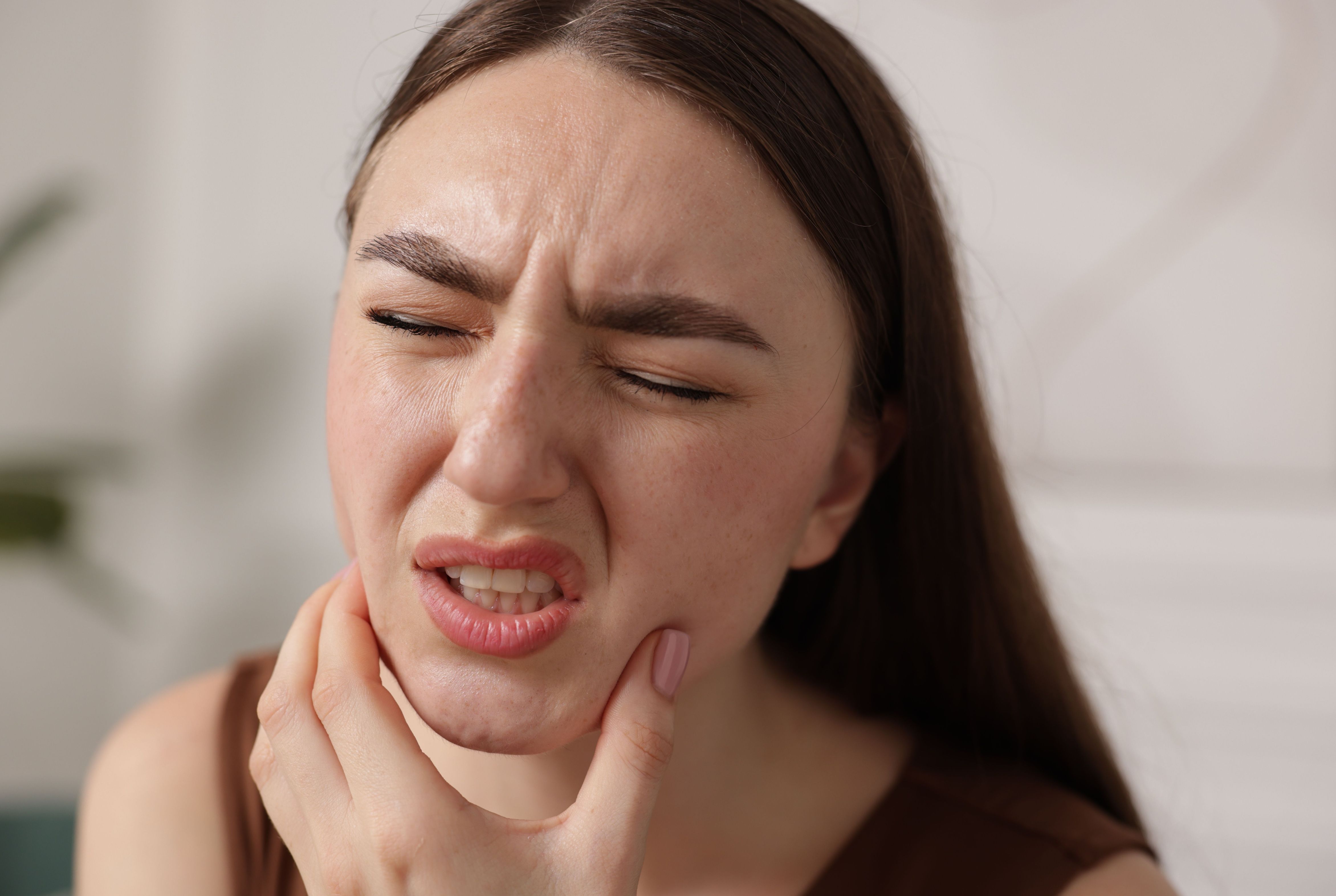
If you've just had your wisdom teeth removed, knowing when to stop using gauze after wisdom tooth extraction is one of the most common questions we hear at Junction Family Dental Care.
Using gauze correctly is crucial for proper healing, but knowing when to stop is just as important for a smooth recovery.
In this comprehensive guide, we'll walk you through everything you need to know about gauze use after wisdom tooth extraction, including the signs that tell you it's time to stop.

When your dentist or oral surgeon removes a wisdom tooth, they're creating an open wound in your mouth.
This wound naturally bleeds, and gauze plays several critical roles in the healing process.
First and foremost, gauze applies direct pressure to the extraction site.
This pressure is essential for controlling bleeding and promoting the formation of a blood clot.
Without proper clot formation, you risk developing a painful condition called dry socket, which occurs when the blood clot dislodges or fails to form properly.
For more information on proper healing, check out our guide on what a tooth extraction should look like when healing.

Immediately after your wisdom tooth extraction, your dentist will place a gauze pad directly over the surgical site.
Here's what you need to do during this critical first hour.
You want to apply consistent pressure, but not so hard that you cause discomfort or jaw fatigue.
The pressure should be steady and continuous to help the blood clot form properly.
This uninterrupted time is crucial for initial clot formation.
Many patients make the mistake of checking the gauze too frequently, which can disrupt the clotting process.
The more still you remain, the better chance the clot has to form and stabilize.
After this initial 30-45 minute period, you can carefully remove the gauze to check on the bleeding.
If blood is still actively flowing, you'll need to replace it with fresh gauze and continue the process.

For most people, the heaviest bleeding occurs in the first two to four hours after wisdom tooth extraction.
During this time, you should change your gauze every 30 to 45 minutes, or sooner if it becomes completely saturated with blood.
Here's how to properly change your gauze:
As you continue changing the gauze, you should notice the blood on each pad becoming progressively lighter in color and less in quantity.
This gradual reduction is a positive sign that the clot is forming and stabilizing.
For additional guidance on managing post-extraction bleeding, our guide on how to stop bleeding after tooth extraction provides comprehensive dentist-approved advice.

So, when exactly should you stop using gauze after wisdom tooth extraction? Look for these key indicators:
The most obvious sign is when bleeding has dramatically decreased.
If your gauze pad comes out with only minimal pink staining or just a few spots of blood, rather than being saturated, you're likely ready to stop using gauze.
Some light oozing or pink-tinged saliva is normal and doesn't require continued gauze use.
When you gently examine the extraction site (without touching it), you should see a dark, jelly-like blood clot filling the socket.
This clot should look firm and stable, not loose or easily disturbed.
The presence of this clot is your body's signal that the initial healing barrier is in place.
For most patients, bleeding stops or becomes minimal within 2 to 4 hours after the extraction.
Some people with more complex extractions or certain health conditions may need to use gauze for up to 6 hours.
However, if you're still experiencing significant bleeding beyond this timeframe, contact your dentist.
Try leaving the gauze out for 15-20 minutes.
If no fresh bleeding occurs during this time, you can safely discontinue using the gauze.
If bleeding resumes, continue using gauze for an additional hour and retest.
In certain situations, you may need to continue using gauze beyond the typical timeframe:
Complex or multiple extractions: If you had all four wisdom teeth removed or had impacted teeth that required surgical extraction, you may experience more bleeding and need gauze for a longer period.
Medications that affect clotting: Blood thinners, aspirin, or certain supplements can slow clot formation. Always inform your dentist about any medications you're taking.
Persistent bright red bleeding: If your gauze continues to show bright red, active bleeding (not just oozing) after several hours, keep using gauze and contact your dentist for guidance.
Disturbed clot: If you accidentally dislodge the clot by touching the area, using a straw, or spitting forcefully, you may need to restart gauze use to help a new clot form.
This is crucial: remove all gauze before going to sleep.
Gauze can become a choking hazard while you're sleeping, and by bedtime, bleeding should have subsided enough that gauze is no longer necessary.
If you're still experiencing significant bleeding at bedtime, contact your dentist before lying down.
Even after you stop using gauze, sleep with your head elevated on extra pillows for the first few nights.
This position minimizes blood flow to the extraction site and reduces the chances of renewed bleeding overnight.
For at least 24-48 hours after your extraction, avoid strenuous exercise, bending over, lifting heavy objects, or any activity that increases your heart rate and blood pressure.
These activities can disrupt the clot and cause bleeding to resume.

If you've been changing gauze regularly for 4-6 hours and you're still experiencing heavy, bright red bleeding, try this technique:
Moisten a tea bag with warm water, squeeze out the excess, wrap it in clean gauze, and bite down on it for 20-30 minutes.
Tea contains tannic acid, which can help promote clotting.
If bleeding continues to be severe or doesn't respond to pressure and tea bag treatment, contact Junction Family Dental Care immediately.
Persistent bleeding beyond 6-8 hours requires professional evaluation.
Once you've stopped using gauze, your focus shifts to supporting the healing process in other ways.
Here are essential recovery tips.
Your diet plays a crucial role in healing. For the first few days, stick to soft foods that won't irritate the extraction site.
Our guide on foods to eat after tooth extraction provides a comprehensive list of healing-friendly options, including yogurt, smoothies (drink with a spoon, not a straw), mashed potatoes, scrambled eggs, and applesauce.
If you're dealing with problematic wisdom teeth but haven't had them extracted yet, you might be weighing your options.
Comparing root canal vs extraction can help you understand when extraction is the best choice and when other treatments might be appropriate.
At Junction Family Dental Care, we're committed to making your wisdom tooth extraction as comfortable as possible.
We provide comprehensive post-operative instructions tailored to your specific situation.
If you have any concerns about your recovery, experience symptoms that worry you, or simply have questions about your healing progress, don't hesitate to contact us.
We're here to support you every step of the way.
Understanding when to stop using gauze after wisdom tooth extraction is essential for proper healing and avoiding complications like dry socket.
While most patients can discontinue gauze use within 2-4 hours once bleeding has significantly decreased and a stable blood clot has formed, every recovery is unique.
Pay attention to your body's signals, follow the guidelines we've outlined, and never hesitate to reach out if something doesn't feel right.
Need wisdom tooth extraction or have questions about your recovery? Contact Junction Family Dental Care today to schedule a consultation or speak with our caring team.
We're here to provide the expert guidance and personalized care you deserve for a successful recovery.