Many patients ask about smoking after tooth extraction.
To put it simply, it’s not a good idea.
Smoking can slow down healing and raise the risk of problems that are worse than you might think.
So, if you have just had a tooth removed or are planning to, this guide will explain why smoking after an extraction is risky, how long you should wait, and what could happen if you do not wait.
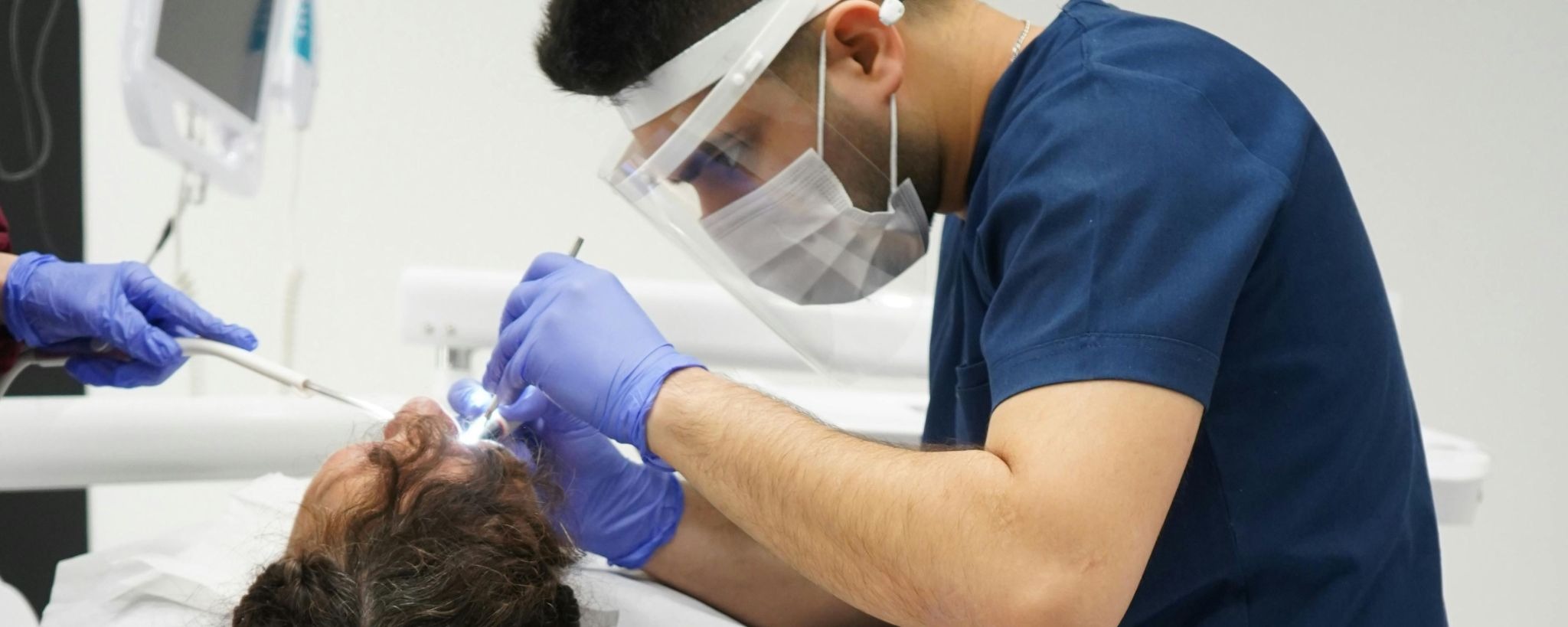
At Junction Family Dental Care, we offer treatments to patients of all ages and always give clear instructions after surgery to help you recover fully.
Even if you have had a simple extraction or wisdom teeth removal, a surgical extraction with stitches and smoking doesn’t go well.
When a tooth is taken out, your body starts to heal right away.
A blood clot forms in the empty space, covering the bone and nerves and allowing new tissue to grow.
Thanks to this physiological reaction, you stop bleeding.
But smoking can interfere with healing in a few different ways:
When you inhale cigarette smoke, the suction can pull the blood clot out of the socket.
If the clot comes out, your jawbone and sensitive nerves will be left exposed to air, food, and drinks.
In this case, you are developing a painful condition called dry socket, which can cause throbbing pain that may spread to your ear, eye, or neck.
And if you smoke and ignore the recommended diet, it will go even worse.
Nicotine causes vasoconstriction, narrowing blood vessels.
When you have reduced blood flow in your tissues, you get slower tissue repair, increased pain, and a higher risk of infection.
This is why smokers often experience longer recovery times after dental procedures.
Applies not only to tooth extractions but also to root canals and more complex treatments like dental implants.
As you know, cigarette smoke contains chemicals and toxins.
These particles can not only irritate the wound but also delay healing and introduce bacteria into the open socket.

Before your wisdom teeth removal at Junction Family Dental Care, we will explain how smoking can affect your recovery and help you make a plan to avoid it.
Dry socket, or alveolar osteitis, is the most common complication after tooth removal.
If the blood clot comes out, your jawbone and nerves are exposed to air, food, and drink, which provides the best pathway for this condition to develop.
Then, when you look in the mirror, the socket may appear empty or white, revealing bone rather than a dark blood clot of a healthy wound.
Because the nerve is directly exposed, you will know it is different. This pain does not improve with over-the-counter ibuprofen or acetaminophen.
Smoking is a major risk factor for dry socket. Other risks include certain foods, alcohol, and even soda.
Here are some signs of dry socket to watch for:
If you develop a dry socket, see a dentist for treatment as soon as possible.
Dentists usually suggest not smoking for at least 72 hours after a tooth extraction.
Our recommendation is that waiting even longer is even better for your recovery.
Here is our recommended timeline to follow:
The longer you wait to smoke, the less likely you are to get dry socket, infection, or slow healing.
Yes, vaping is not safe after a tooth extraction, root canals, or dental implants.
Even though vaping doesn’t make smoke, it still can cause problems:
Yes, nicotine pouches, hookah, and herbal cigarettes have similar risks, too.
You should always avoid smoking right after a tooth extraction.
Smoking too soon can cause problems like dry socket, infection, more bleeding, and extra pain or swelling.
It can also make your recovery take longer, which may mean more dental visits and higher costs.
In severe cases, complications from smoking may need medicated dressings, antibiotics, or even more dental procedures.
If quitting smoking is hard for you, try these safer options while you recover:
Smoking after a tooth extraction might not seem like a big deal, but it can raise your risk of painful problems and slow down your healing.
When you avoid smoking for just a few days, you help your mouth heal faster and avoid weeks of discomfort.
If you have questions about recovering from a tooth extraction or want advice just for you, please schedule a dental appointment with us.